Horror and thriller films have always shared the same neighborhood.
A dark hallway. A missing person. A killer hiding somewhere nearby. A character who knows something is wrong but can’t prove it.
Both genres can make your heart race. Both can make you uncomfortable. Both can leave you staring at the screen waiting for something terrible to happen.
But they aren’t quite the same.
The difference isn’t simply blood, monsters or jump scares.
It’s about what the film wants you to feel.
⸻
HORROR WANTS TO DISTURB YOU
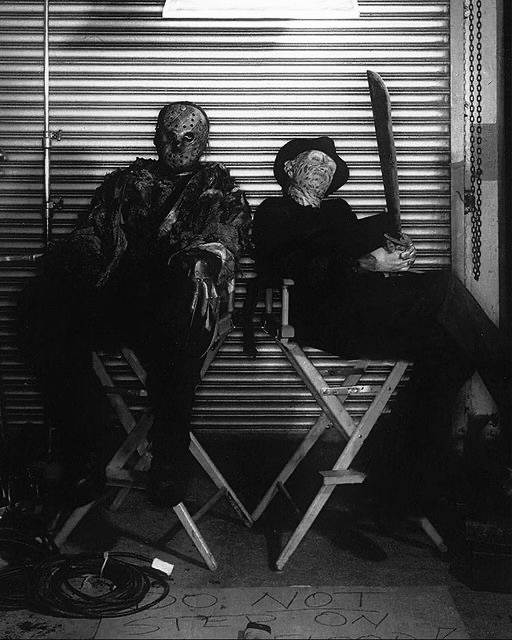
At its core, horror confronts us with something terrifying.
Death. Violence. The supernatural. Isolation. The destruction of the body. The loss of control.
Sometimes that terror takes the form of a monster or killer. Other times, there isn’t a monster at all.
Horror takes something we fear and forces us to look directly at it.
Think about The Exorcist. The terror isn’t simply whether its characters will survive. The film confronts its audience with possession, faith, innocence and the horrifying idea of losing control over your own body.
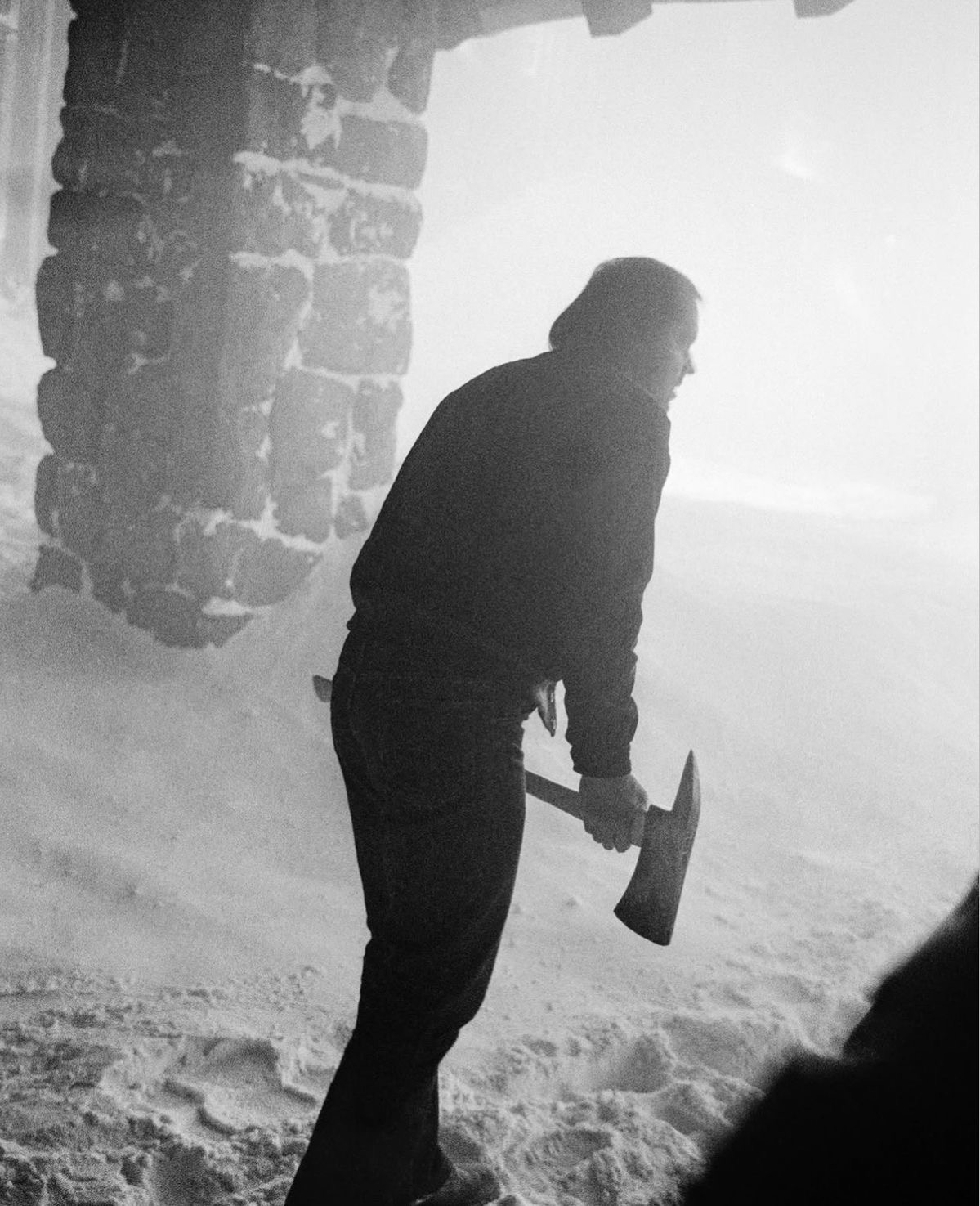
Or The Shining, where the supernatural becomes tangled with isolation, violence and the collapse of a family.
Horror doesn’t always want you sitting comfortably in your seat.
Sometimes it wants to crawl underneath your skin.
⸻
THRILLERS WANT TO KEEP YOU GUESSING
Thrillers operate differently.
Where horror often focuses on terror, thrillers thrive on tension and uncertainty.
Someone is being followed.
Someone is lying.
A detective is getting closer to the truth.
A seemingly ordinary situation begins falling apart.
The question isn’t always:
“What is that?”
Sometimes it’s:
“What happens next?”
David Fincher’s Zodiac doesn’t need a supernatural monster. Much of its power comes from uncertainty. We know something terrible has happened, but the obsession with discovering who committed the crimes becomes increasingly consuming.
A thriller keeps tightening the rope.
Every answer creates another question.
⸻
FEAR VS. SUSPENSE
Perhaps the easiest way to understand the difference is through the emotions the genres prioritize.
Horror thrives on fear.
Thrillers thrive on suspense.
Imagine a character walking toward a closed door.
In horror, we’re terrified of what might be standing behind it.
In a thriller, we might already know someone is behind the door — and we’re desperately wondering whether the character will discover them before it’s too late.
One makes us fear the unknown.
The other makes us anticipate what comes next.
And great filmmakers know how to use both.
⸻
THEN THINGS GET COMPLICATED
Of course, movies don’t care much about the categories we create for them.
That’s where things become interesting.
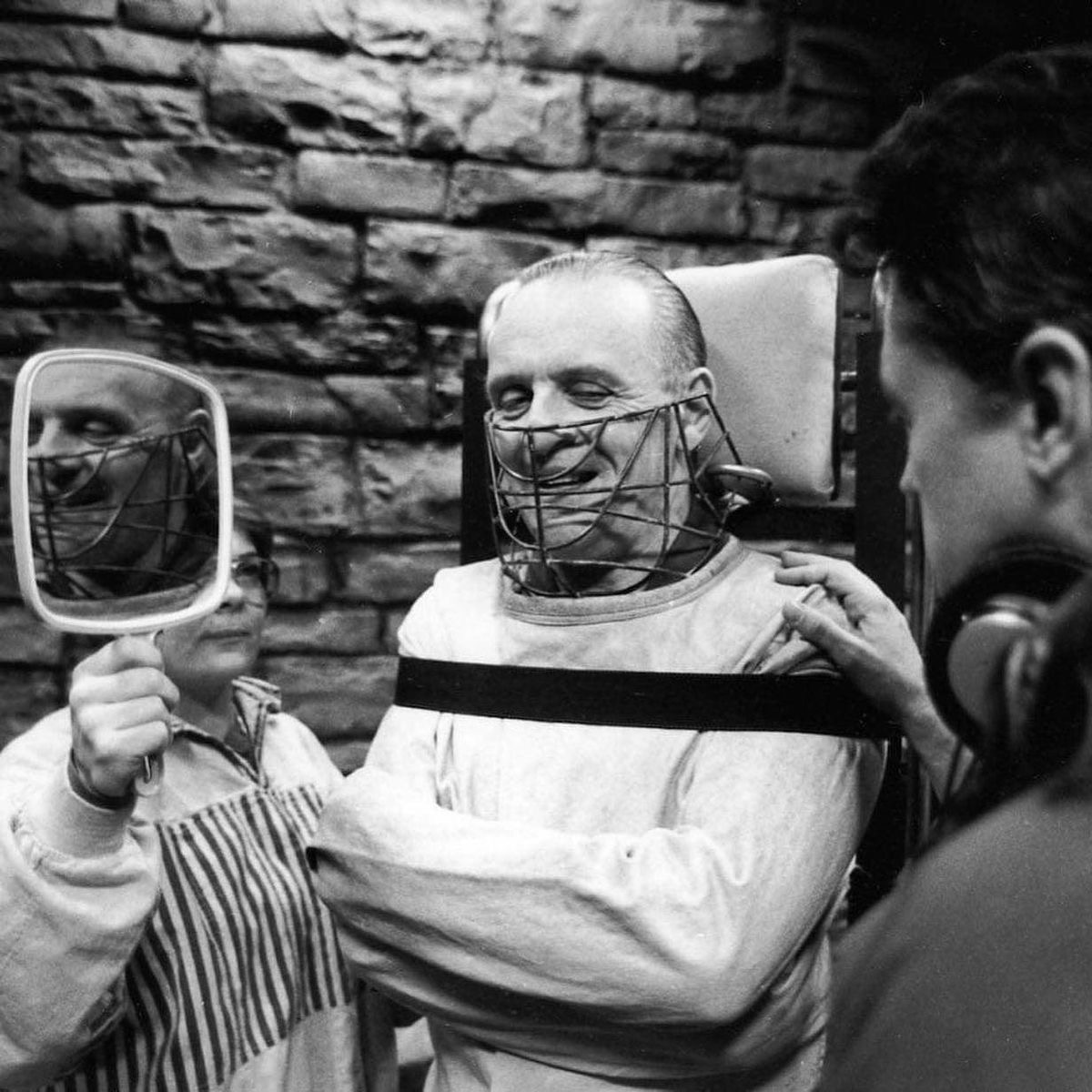
The Silence of the Lambs contains psychological terror, disturbing imagery and a serial killer — but it also operates like an investigative thriller.
Psycho moves between suspense, psychological thriller and outright horror.
Se7en is built around a detective investigation but contains imagery and ideas more disturbing than many traditional horror films.
These movies exist somewhere between the two genres.
And that’s completely fine.
Genres aren’t walls.
They’re languages.
Filmmakers can borrow vocabulary from several of them at once.
⸻
MAYBE THAT’S WHY WE CONFUSE THEM
Horror and thrillers are relatives.
Both manipulate anticipation.
Both depend on uncertainty.
Both understand that sometimes what we imagine is worse than what a filmmaker could ever show us.
But their intentions are slightly different.
A thriller wants you on the edge of your seat.
Horror wants you checking behind it.
One asks us what happens next.
The other asks us what we’re afraid might happen.
And somewhere between those two questions exists an entire world of cinema.
FILMCRIQE
Every Frame Counts.
A dark hallway. A missing person. A killer hiding somewhere nearby. A character who knows something is wrong but can’t prove it.
Both genres can make your heart race. Both can make you uncomfortable. Both can leave you staring at the screen waiting for something terrible to happen.
But they aren’t quite the same.
The difference isn’t simply blood, monsters or jump scares.
It’s about what the film wants you to feel.
⸻
HORROR WANTS TO DISTURB YOU
At its core, horror confronts us with something terrifying.
Death. Violence. The supernatural. Isolation. The destruction of the body. The loss of control.
Sometimes that terror takes the form of a monster or killer. Other times, there isn’t a monster at all.
Horror takes something we fear and forces us to look directly at it.
Think about The Exorcist. The terror isn’t simply whether its characters will survive. The film confronts its audience with possession, faith, innocence and the horrifying idea of losing control over your own body.
Or The Shining, where the supernatural becomes tangled with isolation, violence and the collapse of a family.
Horror doesn’t always want you sitting comfortably in your seat.
Sometimes it wants to crawl underneath your skin.
⸻
THRILLERS WANT TO KEEP YOU GUESSING
Thrillers operate differently.
Where horror often focuses on terror, thrillers thrive on tension and uncertainty.
Someone is being followed.
Someone is lying.
A detective is getting closer to the truth.
A seemingly ordinary situation begins falling apart.
The question isn’t always:
“What is that?”
Sometimes it’s:
“What happens next?”
David Fincher’s Zodiac doesn’t need a supernatural monster. Much of its power comes from uncertainty. We know something terrible has happened, but the obsession with discovering who committed the crimes becomes increasingly consuming.
A thriller keeps tightening the rope.
Every answer creates another question.
⸻
FEAR VS. SUSPENSE
Perhaps the easiest way to understand the difference is through the emotions the genres prioritize.
Horror thrives on fear.
Thrillers thrive on suspense.
Imagine a character walking toward a closed door.
In horror, we’re terrified of what might be standing behind it.
In a thriller, we might already know someone is behind the door — and we’re desperately wondering whether the character will discover them before it’s too late.
One makes us fear the unknown.
The other makes us anticipate what comes next.
And great filmmakers know how to use both.
⸻
THEN THINGS GET COMPLICATED
Of course, movies don’t care much about the categories we create for them.
That’s where things become interesting.
The Silence of the Lambs contains psychological terror, disturbing imagery and a serial killer — but it also operates like an investigative thriller.
Psycho moves between suspense, psychological thriller and outright horror.
Se7en is built around a detective investigation but contains imagery and ideas more disturbing than many traditional horror films.
These movies exist somewhere between the two genres.
And that’s completely fine.
Genres aren’t walls.
They’re languages.
Filmmakers can borrow vocabulary from several of them at once.
⸻
MAYBE THAT’S WHY WE CONFUSE THEM
Horror and thrillers are relatives.
Both manipulate anticipation.
Both depend on uncertainty.
Both understand that sometimes what we imagine is worse than what a filmmaker could ever show us.
But their intentions are slightly different.
A thriller wants you on the edge of your seat.
Horror wants you checking behind it.
One asks us what happens next.
The other asks us what we’re afraid might happen.
And somewhere between those two questions exists an entire world of cinema.
FILMCRIQE
Every Frame Counts.